Waterloo City Farm: Exploring London’s Urban Oasis Designed by Feilden Fowles

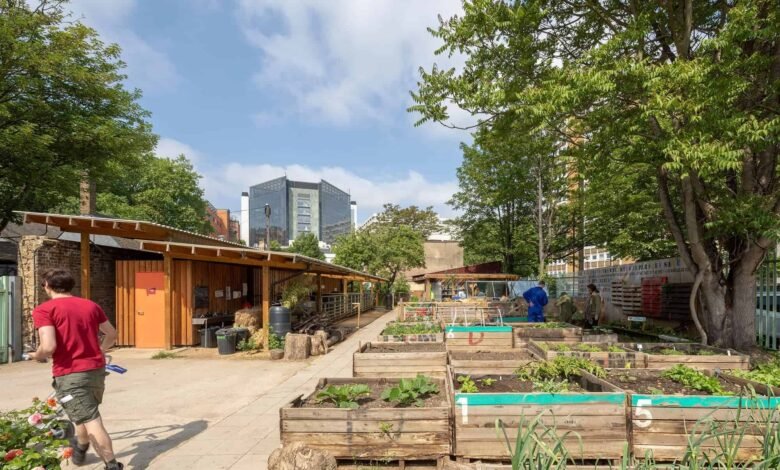
Waterloo City Farm is an extraordinary urban space in the heart of London, offering an oasis of nature, learning, and community engagement. Designed by Feilden Fowles, the farm transforms a previously underused corner near Waterloo Station into a thriving hub for educational activities, hands-on experiences, and sustainable urban farming. Visitors can explore workshops, enjoy seasonal events, and experience the unique combination of architecture and greenery, making it one of London’s most innovative city farms.


The farm demonstrates how thoughtful design and community collaboration can revitalise urban spaces while promoting environmental awareness. Waterloo City Farm provides opportunities for people of all ages to connect with nature and learn about sustainable living, farming, and animal care. Feilden Fowles’ architectural expertise enhances the farm’s functionality and aesthetics, making it not only a practical urban farm but also a destination for architecture enthusiasts and eco-conscious visitors alike.
History and Background of Waterloo City Farm
Waterloo City Farm began as a community-driven initiative, aimed at transforming unused urban land into a space that could benefit local residents and visitors. The project was supported by charities such as Jamie’s Farm and Oasis, which sought to provide educational and therapeutic experiences through urban agriculture. Over the years, the farm has grown to become a vital centre for learning, recreation, and sustainable practices in central London.
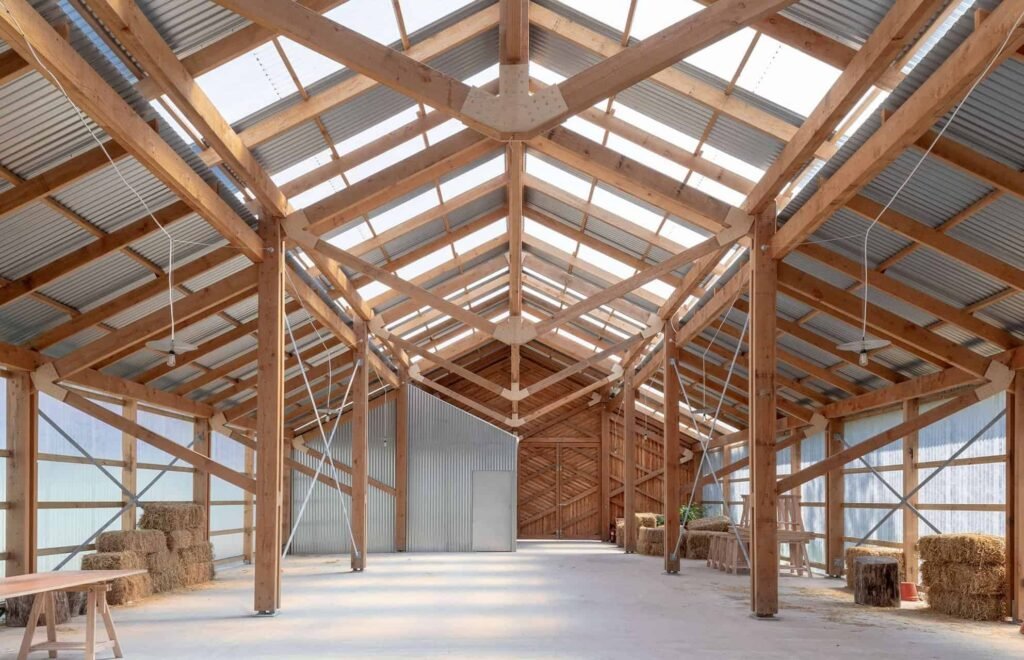
The involvement of Feilden Fowles has been pivotal in shaping Waterloo City Farm into a landmark destination. Their architectural designs have introduced practical, sustainable, and aesthetically appealing structures, including the iconic timber-framed education barn. By integrating functional design with the farm’s community mission, Feilden Fowles has ensured that Waterloo City Farm is not only a productive urban farm but also a place where learning, sustainability, and creativity come together seamlessly.
Architecture and Design by Feilden Fowles
The architectural design of Waterloo City Farm by Feilden Fowles is a remarkable example of how modern structures can harmonise with natural and community spaces. The timber-framed education barn forms the heart of the farm, providing flexible spaces for workshops, school visits, and public events. Every aspect of the design reflects a focus on sustainability, functionality, and community engagement, making the farm both practical and visually appealing.
Feilden Fowles’ design ensures that visitors can experience the farm in an engaging and comfortable environment. From outdoor learning spaces to classrooms and communal areas, each element has been crafted to enhance interaction between people, animals, and plants. Waterloo City Farm’s architecture not only supports its educational and community programmes but also showcases innovative urban design, making it a model for future city farms across London and the UK.
Activities and Educational Programmes at Waterloo City Farm
Waterloo City Farm offers an extensive range of activities and educational programmes for children, adults, and families. School trips and workshops provide practical learning opportunities, allowing participants to engage with farming, gardening, and animal care. These programmes are designed to teach sustainability and environmental responsibility while encouraging teamwork and creativity among visitors.
Seasonal events at Waterloo City Farm add vibrancy to the community, offering hands-on experiences such as planting, harvesting, and crafting workshops. Volunteers and visitors can participate in farm maintenance, helping with tasks that support the farm’s day-to-day operations. The combination of structured educational programmes and informal learning opportunities makes Waterloo City Farm a hub for community engagement and environmental education, highlighting the farm’s unique role in urban London life.
Visiting Waterloo City Farm
Waterloo City Farm is easily accessible from Waterloo Station, making it a convenient destination for Londoners and tourists alike. The farm welcomes visitors for regular hours, with opportunities to explore the education barn, gardens, and outdoor farm areas. Guided tours provide an in-depth look at the architecture by Feilden Fowles and the farm’s community-focused initiatives.
Visitors to Waterloo City Farm can enjoy a mix of recreational and educational experiences. Families can interact with animals, explore the gardens, and participate in workshops, while architecture enthusiasts can admire the timber-framed structures and sustainable design. The farm’s location in central London makes it easy to combine a visit with nearby attractions, creating a full day out that blends education, nature, and urban exploration.
Community Impact and Sustainability
Waterloo City Farm has a profound impact on the local community, promoting sustainability, education, and social well-being. The farm supports urban farming practices that encourage environmental responsibility, while also offering therapeutic and educational programmes for children and adults. By providing hands-on learning experiences, the farm helps foster awareness of food production, animal care, and ecological balance.
Sustainability is central to Waterloo City Farm’s operations and design. Feilden Fowles’ architectural solutions incorporate eco-friendly materials and layouts that minimise energy use and maximise natural resources. The farm serves as an example of how urban spaces can be transformed into productive, environmentally conscious hubs, offering both educational value and recreational opportunities. Waterloo City Farm continues to inspire similar projects across London and beyond.
Future of Waterloo City Farm
Waterloo City Farm is continuously evolving, with plans to expand its educational programmes, community engagement, and sustainability initiatives. Future developments aim to enhance visitor experiences, increase accessibility, and incorporate innovative agricultural techniques. The farm’s collaboration with Feilden Fowles ensures that new expansions will remain consistent with its original vision of sustainable urban design.
As the farm grows, it continues to strengthen its role in connecting Londoners with nature and community learning. By maintaining a balance between functional architecture, environmental sustainability, and educational programmes, Waterloo City Farm sets a benchmark for urban farms. Its model demonstrates how cities can integrate green spaces, community projects, and innovative design to create vibrant, sustainable neighbourhoods.
Conclusion
Waterloo City Farm exemplifies the potential of urban spaces to combine nature, community, and education in a central city environment. Designed by Feilden Fowles, the farm’s innovative architecture enhances its educational and recreational offerings, making it a must-visit destination in London. With hands-on activities, seasonal events, and a focus on sustainability, Waterloo City Farm continues to inspire and engage visitors of all ages.
The farm is more than an urban agricultural project; it is a thriving community hub that demonstrates how thoughtful design and collaborative efforts can transform a city space. Whether visiting for workshops, volunteering, or exploring its architecture, Waterloo City Farm provides an enriching experience that combines learning, recreation, and environmental awareness in one unique urban setting.