Moving a Body from One County to Another UK: Complete Legal Guide and Practical Steps


Moving a body from one county to another UK can be a challenging and emotional task for families. It involves understanding the legal framework, gathering the necessary documentation, and carefully planning the transportation. Whether the body needs to be moved for a funeral, burial, or repatriation within the UK, following the correct procedures ensures compliance with the law and reduces unnecessary delays.

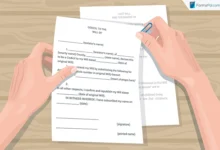
Proper planning is essential when moving a body from one county to another UK. Families need to consider legal permissions, logistical challenges, and the emotional sensitivities involved. Ensuring that every step is documented and conducted according to UK regulations not only provides peace of mind but also guarantees that the deceased is handled respectfully and with dignity throughout the process.
Understanding the Legal Framework
Moving a body from one county to another UK is regulated by specific laws that vary depending on the location. Within England and Wales, there are generally no restrictions for transferring a deceased person between counties. However, moving a body to Scotland, Northern Ireland, or other territories in the UK requires notifying the local coroner and obtaining the necessary permissions to ensure legal compliance.
It is important to understand which authorities need to be informed before transporting a body. The coroner is responsible for confirming that the death has been properly registered and that there are no ongoing investigations. Ignoring these requirements can result in serious legal consequences, which makes familiarising oneself with the legal framework a crucial step when moving a body from one county to another UK.
Essential Documentation Required
One of the most critical aspects of moving a body from one county to another UK is ensuring all required documentation is in place. A certified death certificate is the primary document that authorises the transport of the body. This certificate proves that the death has been officially registered and is needed for burial, cremation, or any cross-county transport.
In addition to the death certificate, certain cases require specific forms issued by the coroner. Form 103 is necessary for transporting a body within the UK if the death has been reported to the coroner, while Form 104 is used for moving a body overseas. Having all paperwork in order avoids delays, ensures compliance, and provides a clear record of the legal steps taken during the process.
Step-by-Step Process for Moving a Body

Moving a body from one county to another UK involves several practical steps that must be carefully followed. The first step is to register the death and, if required, notify the coroner in the relevant district. This ensures that the transport is legally authorised and that any investigations are properly addressed before movement.
The next steps include preparing the body for transport, which involves placing it in an appropriate coffin or container, sealing it correctly, and arranging transportation. Families may choose to use professional funeral directors or handle transport privately. Following a clear, step-by-step process ensures the body reaches its destination safely and in compliance with UK law, while minimising stress during a difficult time.
Moving a Body Across UK Borders
While moving a body from one county to another UK within England and Wales is relatively straightforward, moving a body across UK borders involves additional rules. Scotland, Northern Ireland, and other UK territories require notification to the local coroner before transport. This ensures that deaths are properly recorded and that any legal or investigative matters are respected.
Professional funeral directors are often recommended for cross-border moves. They handle documentation, transportation arrangements, and communication with authorities, making the process much smoother. Families should consider travel time, legal requirements, and logistical challenges when planning a move across UK borders, as this ensures the process is conducted legally, efficiently, and respectfully.
Costs and Practical Considerations
The cost of moving a body from one county to another UK varies depending on distance, mode of transport, and whether a funeral director is involved. Professional services provide convenience and legal assurance but may add significant fees. DIY transport is often cheaper but requires careful planning to comply with legal requirements and maintain the dignity of the deceased.
Practical considerations include route planning, timing, and ensuring all necessary paperwork is complete. Families should also consider the condition and safety of the body during transport. Preparing in advance helps prevent delays or complications, ensuring the process is handled efficiently and with respect, which is essential when moving a body from one county to another UK.
Hiring a Funeral Director
Hiring a funeral director can greatly simplify the process of moving a body from one county to another UK. Funeral directors have experience in legal requirements, transportation logistics, and communication with authorities. Their services help families navigate complex processes while reducing stress during a sensitive period.
Choosing a reputable funeral service is essential. Families should check credentials, experience with cross-county or cross-border transport, and reviews from previous clients. Professional support provides peace of mind, ensuring that the deceased is handled respectfully and transported safely according to UK regulations.
Conclusion
Moving a body from one county to another UK requires careful planning, legal compliance, and attention to detail. Understanding the rules, notifying the coroner if necessary, and preparing the body properly ensures the process is smooth and respectful. Families can focus on remembrance rather than worrying about legal or logistical challenges.
By following this guide, anyone tasked with moving a body from one county to another UK can proceed with confidence. Legal compliance, professional support, and careful planning are key to ensuring that the deceased is transported safely and with dignity, making a difficult time more manageable for loved ones.