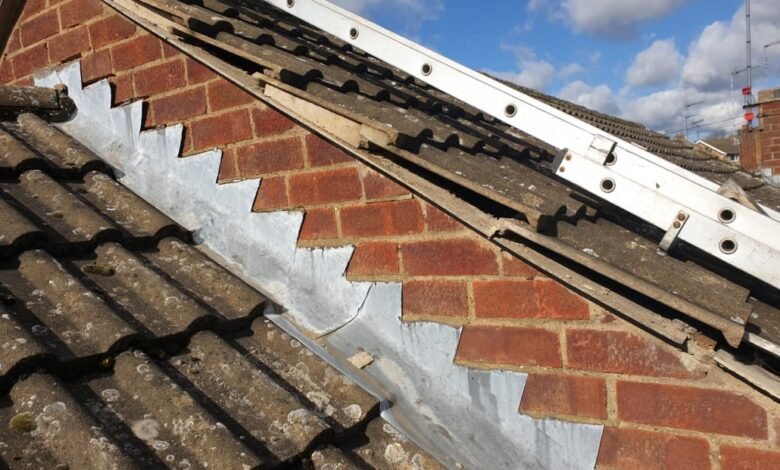
A badly fitted dry verge can lead to serious problems on any UK roof. While dry verge systems are designed to provide a neat and maintenance-free finish to the edges of pitched roofs, improper installation often results in gaps, loose units, and even water damage. Many homeowners do not realise the long-term consequences of a roof badly fitted dry verge until damp appears inside their home or tiles begin to shift.


Understanding the importance of correct installation is essential. A badly fitted dry verge affects not only the appearance of your roof but also its durability and weatherproofing. With high winds, rain, and frost common in the UK, even minor installation errors can escalate into costly roof repairs. Early detection and timely intervention are vital to prevent further damage.
What is a Dry Verge
A dry verge is a modern roofing solution used at the edges of pitched roofs to replace traditional mortar verges. It acts as a protective barrier, stopping rain, wind, and pests from entering the roof structure while providing a clean, finished appearance. Most systems are made from durable materials such as uPVC or composite plastics, which require minimal maintenance compared with traditional mortared verges.
Unlike wet verges, which rely on mortar that can crack or erode over time, dry verge systems offer long-lasting protection when installed correctly. However, a badly fitted dry verge undermines these benefits. Misalignment, gaps, or incorrect fixing can lead to loose units, water ingress, and structural issues, making it crucial to ensure proper installation on every roof.
Signs of a Badly Fitted Dry Verge
One of the most common signs of a badly fitted dry verge is detached or loose units. If you notice sections of your roof verge shifting or moving during high winds, this may indicate that the system was not properly secured. Loose units reduce the roof’s ability to protect your home from water penetration and wind damage.
Another clear indication is the presence of visible gaps between the dry verge and roof tiles. These gaps allow water to run down gable walls, causing damp patches and potential mould growth inside the home. Cracks, uneven alignment, and damaged plastic units are also warning signs that your roof may suffer from a badly fitted dry verge, requiring immediate attention.
Common Causes of a Badly Fitted Dry Verge
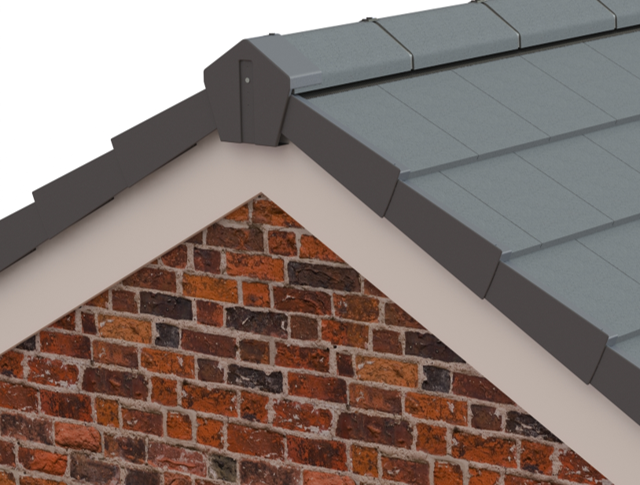
A poorly fitted dry verge often results from failing to remove old mortar before installation. Existing mortar prevents the new system from sitting flush against the roof, leading to misalignment and weak attachments. Even minor preparation mistakes can compromise the roof’s protection and result in long-term problems.
Inadequate fixings are another frequent cause of a badly fitted dry verge. Using too few screws, incorrect clips, or failing to secure the starter units properly increases the likelihood of lifting or detachment. Compatibility issues, such as installing a system unsuitable for your roof tiles, can also lead to failure. DIY installations often increase the risk of these errors, making professional guidance highly recommended.
How to Fix a Badly Fitted Dry Verge
Repairing a badly fitted dry verge begins with removing any damaged or misaligned units. Cleaning the roof edge thoroughly and removing all old mortar is essential to allow new units to fit securely. This preparation step ensures a tight seal and prevents gaps that could cause water ingress or wind damage.
Once the area is prepared, the new units should be installed with correct alignment and secure fixings. Ensuring proper overlap and guiding water into gutters protects the roof from future leaks. For complicated installations or severely misaligned systems, consulting a professional roofer is advised. Proper repairs restore both the function and appearance of your roof while preventing costly future maintenance.
Pros and Cons of Dry Verge Systems
Dry verge systems offer several advantages over traditional mortar verges. They are generally maintenance-free, resist weather damage, and prevent pest or bird entry. A correctly fitted system also enhances the visual appeal of a roof and can last for many years without significant repairs, making it a practical choice for UK homeowners.
However, there are disadvantages to consider. Improper installation can lead to a badly fitted dry verge, compromising the roof’s protection. Some systems may not be compatible with older or irregular roof tiles, and DIY installation increases the risk of mistakes. Understanding the pros and cons helps homeowners make informed decisions when installing or replacing a dry verge system.
Preventing Dry Verge Problems
Preventing issues starts with selecting the right dry verge system for your roof type. Professional installation is highly recommended to ensure alignment, secure fixings, and proper drainage. Regular roof inspections, particularly after storms, can catch minor issues before they escalate into major damage.
Seasonal factors, including high winds, heavy rain, and frost, are common in the UK and can exacerbate problems with a badly fitted dry verge. Maintaining a proactive approach, addressing small misalignments, and monitoring roof edges regularly helps prevent water ingress, structural damage, and costly repairs over time.
Conclusion
A badly fitted dry verge can have a significant impact on the durability and performance of your roof. Identifying early signs such as loose units, gaps, or water ingress is critical for preventing long-term damage. By understanding common causes, performing repairs correctly, and weighing the pros and cons, homeowners can protect their roofs and maintain a secure, weatherproof home.