Nutrition and Hydration Week Ideas: Creative Ways to Boost Health and Hydration in 2026


Nutrition and Hydration Week ideas are essential for promoting healthy eating habits and encouraging proper hydration across schools, workplaces, and care homes. This special week is designed to raise awareness about the importance of consuming balanced meals and drinking enough fluids every day. By introducing engaging activities and practical tips, organisations and individuals can make nutrition and hydration more accessible and enjoyable.


Celebrating Nutrition and Hydration Week provides an opportunity to inspire long-term changes in daily routines. Through creative approaches, participants can learn how small adjustments in meals and drinks can lead to better health outcomes. Incorporating fun and educational elements ensures that everyone, from children to the elderly, can participate fully while understanding the value of nutrition and hydration.
Planning Your Nutrition and Hydration Week
Planning effective Nutrition and Hydration Week ideas starts with establishing clear objectives and understanding the target audience. Schools, offices, and care homes should consider the unique needs of their participants, including age, dietary restrictions, and health requirements. A well-organised plan ensures that all activities are structured, enjoyable, and informative while maintaining a focus on improving nutrition and hydration habits.
Choosing a theme is another important aspect of planning Nutrition and Hydration Week. Themes such as a global tea party, colourful hydration stations, or healthy cooking workshops can make events more memorable and engaging. Preparing resources such as posters, recipe cards, and signage helps guide participants while providing visual reinforcement of the key messages around nutrition and hydration.
Fun and Engaging Activities
Incorporating interactive activities is key to making Nutrition and Hydration Week ideas successful. Hosting a global tea party is an excellent way to combine social interaction with hydration. Participants can enjoy herbal teas, fruit-infused water, and nutritious snacks, creating a fun and relaxed atmosphere while learning about the benefits of proper fluid intake.
Creating themed hydration stations is another impactful idea. These stations can feature smoothies, flavoured water, and herbal teas, displayed in visually appealing ways. Cooking and baking workshops allow participants to learn simple, nutritious recipes and understand how to incorporate healthy ingredients into everyday meals. These activities make nutrition and hydration accessible, educational, and enjoyable for all age groups.
Educational and Promotional Ideas
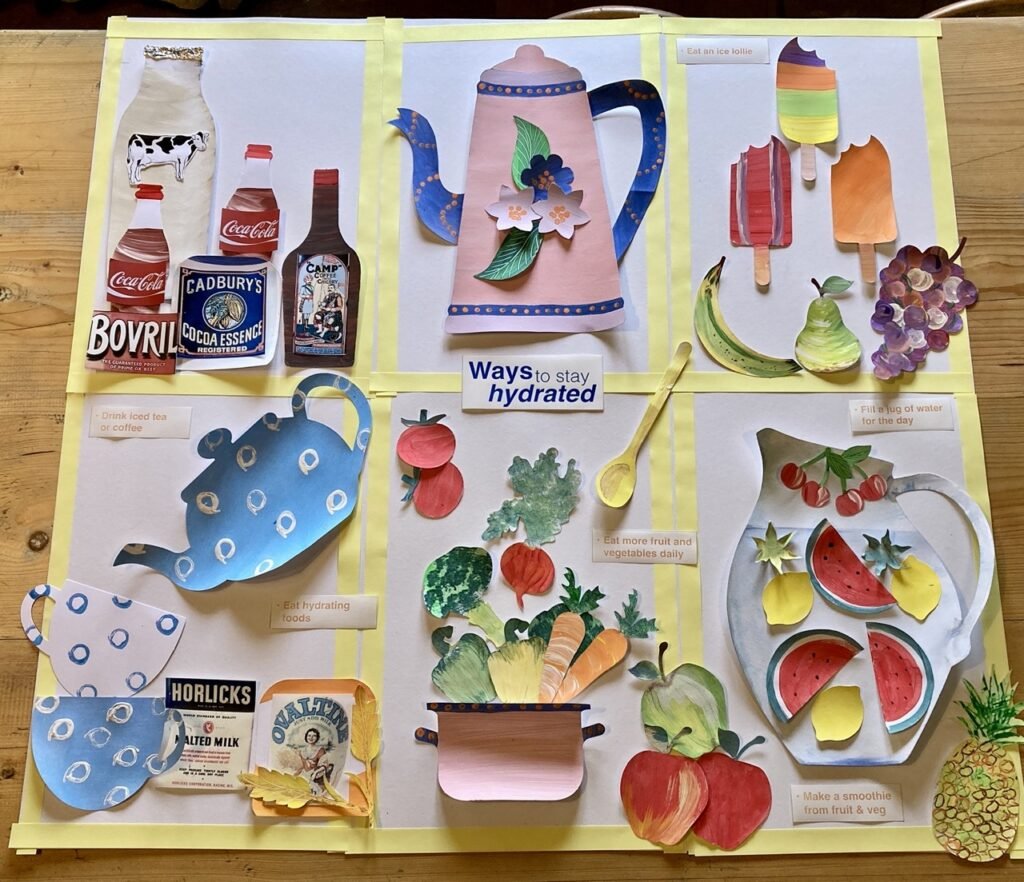
Nutrition and Hydration Week ideas are most effective when combined with educational and promotional activities. Displaying posters, infographics, and banners that highlight essential nutrients, hydration tips, and portion guidance helps participants understand why nutrition and hydration are important. Interactive quizzes, challenges, and competitions can further engage participants while reinforcing learning in a fun and memorable way.
Encouraging goal setting and pledges is another effective strategy for Nutrition and Hydration Week ideas. Participants can commit to increasing water intake, trying new fruits and vegetables, or preparing healthier meals. Menu reviews in schools, workplaces, and care homes, along with digital resources such as downloadable recipes and guides, provide practical tools to support healthier habits beyond the week itself.
Tips for Successful Implementation
Successful implementation of Nutrition and Hydration Week ideas requires involving the whole community in planning and execution. Collaborative efforts increase participation and engagement while creating a sense of shared ownership. Providing accessible and varied food and drink options ensures that all participants can enjoy activities safely and comfortably, while also learning about the benefits of proper nutrition and hydration.
Consistency is key when promoting hydration and nutrition during the week. Encouraging participants to carry reusable water bottles, enjoy snacks rich in nutrients, and refill fluids regularly reinforces the message throughout the day. Collecting feedback and evaluating the impact of the week helps organisers refine future Nutrition and Hydration Week ideas to maximise participation and long-term benefits.
Conclusion
Nutrition and Hydration Week ideas provide a valuable opportunity to educate and inspire individuals to make healthier choices. By combining creativity, practical advice, and engaging activities, participants are encouraged to improve both their eating and hydration habits. The week fosters a positive environment that promotes wellness and long-term behavioural change.
Implementing Nutrition and Hydration Week ideas ensures that knowledge about balanced diets and proper fluid intake is not only shared but applied in everyday life. From schools to workplaces and care homes, thoughtful planning, fun activities, and educational tools help individuals of all ages embrace the importance of nutrition and hydration, leading to healthier and more energised communities.