Queen Street Mill Burnley: Discover the Last Steam-Powered Weaving Museum in the UK

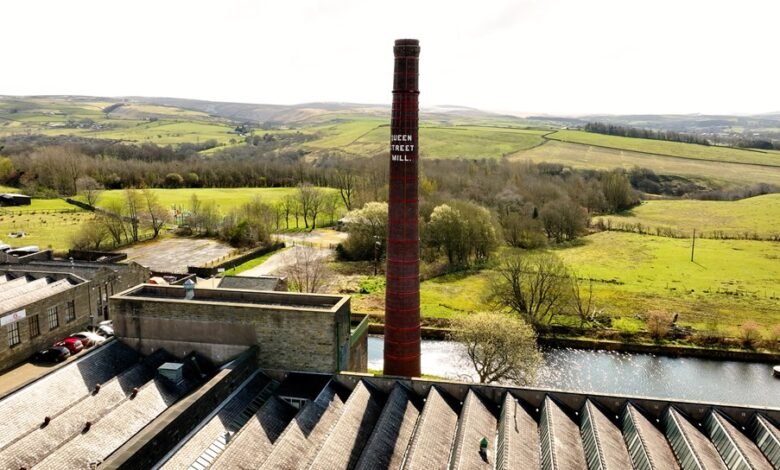
Queen Street Mill Burnley is a remarkable heritage site that captures the essence of England’s industrial past. Known as the last surviving steam-powered weaving mill in the world, this museum preserves the machinery, architecture, and atmosphere of a bygone era. Visitors can experience history firsthand, learning about the mill’s crucial role in Lancashire’s textile industry and its impact on Burnley’s local community.


Beyond its industrial significance, Queen Street Mill Burnley offers a unique cultural experience. The museum allows visitors to witness traditional weaving techniques still in operation, providing an authentic view of life in a 19th-century mill. Its preserved steam engines and looms offer photographers, history enthusiasts, and families an educational and immersive journey through time.
History of Queen Street Mill Burnley
Queen Street Mill Burnley was constructed in 1894 during the peak of England’s textile revolution. The mill operated continuously, using steam-powered looms that produced fine cotton fabrics for both domestic and international markets. Its machinery and production methods were cutting-edge for the time, highlighting Burnley’s importance as a hub of industrial innovation.
The mill continued operations well into the 20th century before transitioning into a museum. Preservation efforts transformed Queen Street Mill Burnley into a living monument, showcasing authentic steam-powered weaving in action. Today, it stands as a Grade I listed building, symbolizing both the industrial heritage of Lancashire and the ingenuity of the era that shaped modern textile manufacturing.
Visiting Queen Street Mill Burnley
Visiting Queen Street Mill Burnley provides an engaging experience for tourists, students, and history lovers. The museum typically opens from April to November, with special winter openings for its café and select tours. Visitors can explore guided tours, interact with exhibitions, and watch live demonstrations of the original steam-powered looms in operation, offering an unforgettable journey into the past.
Planning a visit is simple, but it is recommended to check queen street mill burnley opening times in advance. The museum features amenities such as free parking, a gift shop, and a café that serves refreshments. Families, schools, and tourists benefit from educational programs that highlight the mill’s machinery, its workers’ daily life, and the broader story of the Lancashire textile industry.
Filming and Media Opportunities at Queen Street Mill Burnley
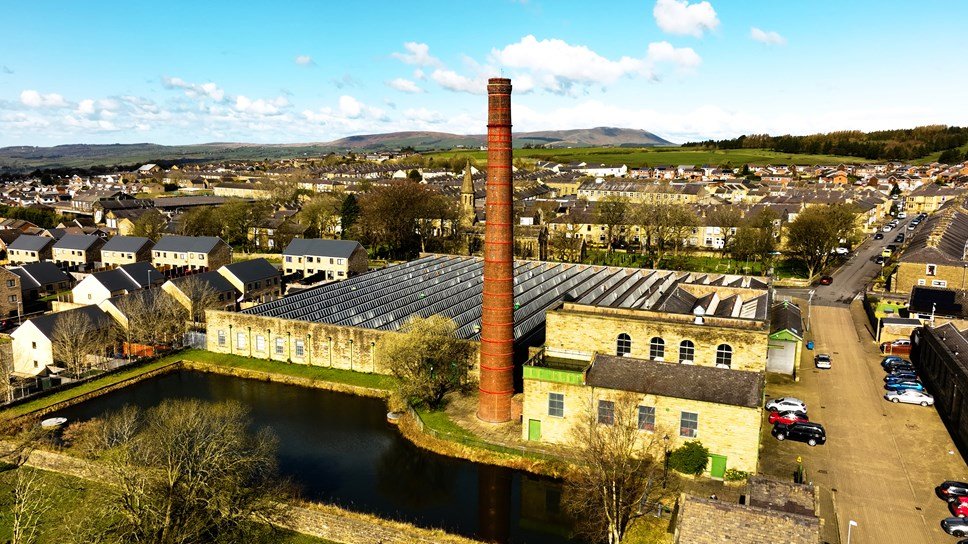
Queen Street Mill Burnley is a sought-after location for filming and photography due to its preserved industrial interiors and operational steam machinery. Documentaries, TV programs, and historical films often utilize the mill to capture authentic scenes of 19th-century industrial life. Its vintage looms, brickwork, and machinery create a visually striking backdrop that cannot be replicated elsewhere.
Filming at Queen Street Mill Burnley requires permission from museum authorities, ensuring that projects respect the historic site. Many filmmakers are drawn to the mill’s unique charm, which highlights Lancashire’s industrial heritage. The mill’s working steam-powered looms add authenticity, making it an ideal location for productions seeking a genuine historical setting.
Challenges and Closures of Queen Street Mill Burnley
Like many heritage sites, Queen Street Mill Burnley has experienced temporary closures for maintenance and preservation. These planned closures are essential for safeguarding the historic steam engines, looms, and building structure. Seasonal breaks also allow the museum staff to host special events, perform necessary repairs, and maintain the mill’s integrity for future visitors.
Understanding temporary shutdowns helps visitors plan trips without disappointment. Despite occasional closures, Queen Street Mill Burnley remains a vital cultural and educational attraction. The museum’s dedication to preserving its historical significance ensures that visitors continue to enjoy an authentic glimpse into Burnley’s industrial past, while supporting the conservation of one of the world’s last operational steam-powered weaving mills.
Things to See and Do at Queen Street Mill Burnley
Queen Street Mill Burnley offers numerous engaging activities for visitors of all ages. The museum’s main attraction is the original steam-powered looms, which still operate today. Guests can watch these looms in action, explore interactive exhibits, and attend educational workshops to learn about weaving techniques, industrial machinery, and local history, making each visit both informative and memorable.
Special events like Steam Days, textile exhibitions, and heritage festivals add excitement to the museum experience. Visitors can also explore Burnley’s surrounding attractions, including local parks, heritage trails, and other textile museums in Lancashire. Queen Street Mill Burnley is more than a museum; it is a living history destination that allows guests to immerse themselves in the industrial revolution and understand its lasting impact.
Conclusion
Queen Street Mill Burnley is a world-class heritage site that celebrates industrial innovation, cultural history, and educational experiences. As the last surviving steam-powered weaving mill, it provides an extraordinary opportunity to witness the machinery, craftsmanship, and traditions of the Lancashire textile industry. Every visitor leaves with a deeper understanding of Burnley’s historical importance.
By visiting Queen Street Mill Burnley, tourists and history enthusiasts support the preservation of one of the last operational steam-powered weaving mills in the world. Its tours, interactive exhibits, and historical authenticity make it an essential destination for anyone exploring England’s industrial heritage, offering an unforgettable blend of education, culture, and immersive history.