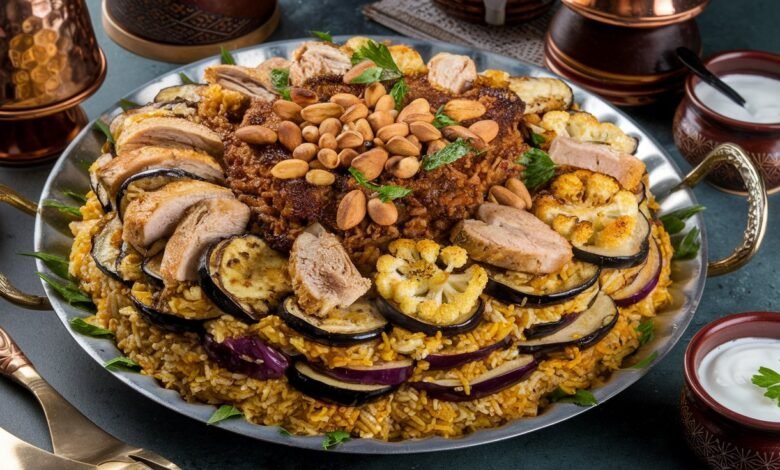
Palestinian dishes are a vibrant celebration of history, culture, and flavour. Rooted in centuries-old traditions, these meals combine fresh, local ingredients with aromatic spices to create dishes that are both hearty and unforgettable. From slow-cooked lamb and chicken to vegetarian delicacies, Palestinian dishes showcase the culinary richness of the Levant, offering a true taste of Palestinian heritage in every bite.

Exploring Palestinian dishes is more than sampling food; it’s an immersive cultural experience. Many recipes have been passed down through generations, connecting families to their roots and regional traditions. Whether you are drawn to the robust flavours of classic meat dishes or the delicate simplicity of vegetarian options, these Palestinian dishes offer something for every palate, from home cooks to gourmet enthusiasts.
What Makes Palestinian Cuisine Unique
Palestinian dishes are defined by the careful use of simple yet flavourful ingredients. Olive oil, sumac, garlic, fresh herbs, and spices form the backbone of most meals, giving them a distinctive and aromatic character. Cooking techniques such as roasting, baking in clay ovens, and slow-cooking meat enhance natural flavours and bring authenticity to every dish, making Palestinian dishes both wholesome and deeply satisfying.
The diversity of Palestinian dishes also comes from the region’s geography. Coastal areas often feature fresh seafood, while inland and rural regions highlight spiced meats, rice, and stuffed vegetables. Seasonal ingredients and local produce are central to traditional recipes, ensuring that each dish not only tastes delicious but also tells the story of its region. This connection to place is what makes Palestinian dishes truly unique.
Top 9 Traditional Palestinian Dishes
Musakhan is widely regarded as the national dish of Palestine, featuring roasted chicken seasoned with sumac and caramelised onions, served on taboon bread. This dish is a festival of flavours and textures, combining the crunch of fresh bread with tender, spiced chicken. Musakhan is a perfect introduction to Palestinian dishes and demonstrates the balance between simplicity and depth of taste.
Maqluba, meaning “upside-down,” is a layered dish of rice, meat, and vegetables that is flipped onto a platter before serving. Its dramatic presentation is matched by rich, comforting flavours. Other classic Palestinian dishes include Qidreh, a spiced lamb and rice casserole from Hebron, and Maftoul, a larger version of couscous served with chicken and chickpeas. These traditional Palestinian dishes reflect centuries of culinary tradition.
Kousa Mahshi and Malfuf are stuffed vegetable dishes that highlight the creativity of Palestinian cuisine. Zucchini and cabbage are filled with rice, herbs, and sometimes minced meat, then cooked slowly in tomato or lemon broth. Coastal dishes such as Sayadieh, featuring fish and rice with caramelised onions, showcase the versatility of Palestinian dishes. Finally, Mansaf and Kafta bi Bandora provide iconic examples of festive meals with rich, aromatic flavours.
Vegetarian and Vegan Palestinian Dishes
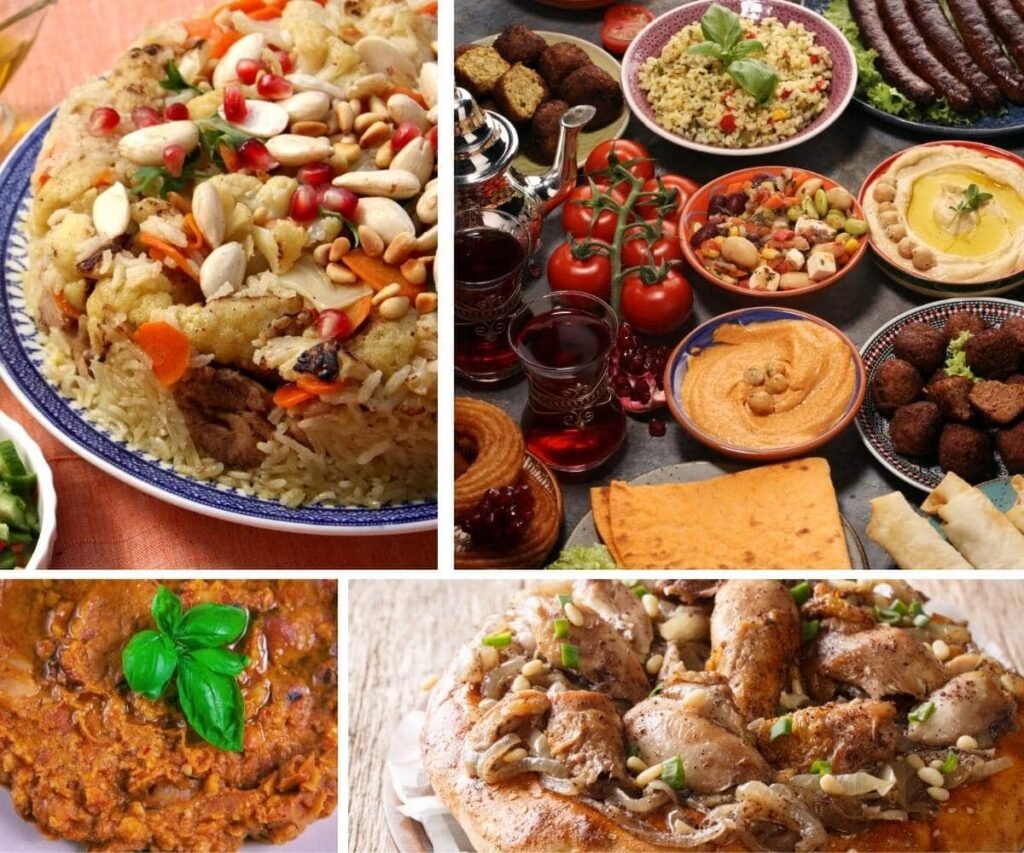
Palestinian dishes are not limited to meat; vegetarian and vegan options are abundant and delicious. Falafel, spiced chickpea balls, are crispy on the outside and soft inside, making them a popular choice for a light meal or street food. Hummus and Mutabbal, creamy dips made from chickpeas or roasted eggplant, are staples of Palestinian dishes and perfect for sharing with family and friends.
Mujadara, a combination of lentils, rice, and caramelised onions, offers a simple yet satisfying vegan option. Salata Falahiyeh, a fresh farmer’s salad with tomatoes, cucumber, herbs, and olive oil, balances richer dishes with lightness and freshness. These vegetarian Palestinian dishes are ideal for anyone exploring plant-based cuisine, showing that Palestinian dishes can be wholesome, flavourful, and accessible to all dietary preferences.
Desserts and Drinks in Palestinian Cuisine
Palestinian dishes are incomplete without the sweet indulgence of traditional desserts. Knafeh Nabulsi, a signature dessert from Nablus, features a layer of stretchy cheese encased in shredded pastry and drenched in sugar syrup. Ka’k bi Tahineh, sesame and tahini cookies, offer a nutty, crunchy treat often served with tea or coffee. These desserts bring balance and delight to the end of any meal.
Warm drinks like Sahlab, a creamy beverage made from milk and orchid root flour, provide comfort during colder months. Palestinian desserts and drinks reflect the same dedication to quality ingredients and preparation as savoury meals. Including these options in your meal experience allows you to enjoy Palestinian dishes in their full traditional context, celebrating both flavour and culture.
Tips for Cooking Palestinian Dishes at Home
Cooking Palestinian dishes at home is accessible with the right ingredients and preparation techniques. Authentic olive oil, sumac, fresh herbs, and quality grains are essential for replicating traditional flavours. While clay pots and taboon ovens enhance authenticity, many Palestinian dishes can be adapted to standard kitchen tools, allowing anyone to experience these meals regardless of their cooking setup.
Starting with easy Palestinian dishes is a great way to explore this cuisine. Recipes like Musakhan, Maqluba, and simple salads offer a gentle introduction, while more complex dishes like Mansaf or Qidreh can be attempted as confidence grows. Making Palestinian dishes at home connects you to their history and traditions, providing a sense of cultural immersion along with delicious food.
Conclusion
Palestinian dishes represent a rich, diverse, and vibrant culinary heritage. From traditional meat and rice dishes to vegetarian and vegan options, each meal is an expression of culture, history, and local flavour. Preparing these dishes at home allows you to explore authentic tastes while embracing the stories and traditions behind Palestinian cuisine, making every meal a memorable experience.