Can Power Flush Damage Pipes? Expert Guide to Risks, Safety Tips & Protecting Your Heating System

Power flushing is a common maintenance procedure for central heating systems in the UK. It removes sludge, rust, and debris from radiators and pipework, helping systems run efficiently and extend their lifespan. However, many homeowners worry, can power flush damage pipes, especially in older properties. Understanding the potential risks and safety measures ensures your heating system remains protected while benefiting from a thorough clean.

The process involves circulating water and specialised chemicals through the heating system at high flow rates but low pressure. This dislodges stubborn deposits that normal water flow cannot remove. While professionally performed power flushing is generally safe, homeowners often ask, can power flush damage pipes, due to concerns about old or corroded systems. Knowing when and how to protect your system is crucial.
What is a Power Flush?
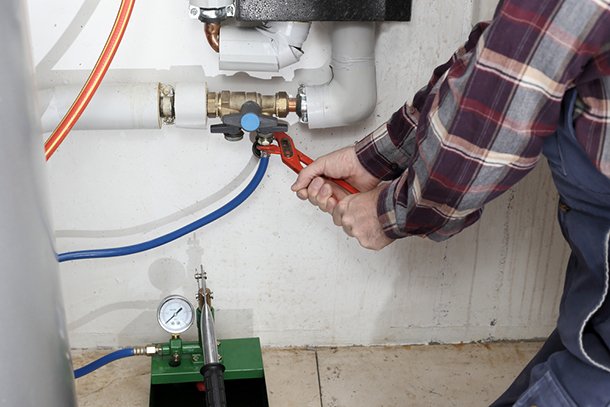
A power flush is a specialist cleaning method used to restore the efficiency of central heating systems. Over time, debris, limescale, and rust accumulate in pipes and radiators, restricting water flow and reducing heat output. During a power flush, a professional engineer connects a pump to the system, circulating water and cleaning chemicals at controlled speeds. This ensures even the most stubborn sludge is removed safely.
Unlike chemical-only flushes, a power flush mechanically clears blockages, which is why it is preferred for older or neglected systems. Homeowners asking, can power flush damage pipes, are usually concerned about the mechanical action of the flush. In reality, proper equipment and professional expertise prevent damage to healthy pipes while significantly improving system performance.
Can Power Flush Damage Pipes? The Facts
While many worry about bursts or leaks, a correctly executed power flush rarely causes damage. The main risk is not the flush itself, but the exposure of pre-existing weaknesses in older or corroded pipework. Asking, can power flush damage pipes, is reasonable for those with historic properties, but most issues uncovered are minor and fixable.
Power flushing can reveal small leaks or fragile joints that were previously masked by sludge. These leaks were likely to occur eventually, and the flush simply exposes them before they worsen. Homeowners can take comfort knowing that professional engineers manage the process carefully, minimising the chance of sudden damage to pipes or radiators.
Risks and Precautions

Although the risk is low, some systems are more vulnerable. Homes with decades-old pipework, neglected maintenance, or extensive sludge build-up may face minor leaks after a flush. Homeowners asking, can power flush damage pipes, should understand that such risks are associated with pre-existing issues rather than the procedure itself.
Precautions include hiring a qualified heating engineer who can assess the system, monitor pressure, and choose suitable cleaning methods. Professionals in the UK use standards-compliant equipment, ensuring low-pressure circulation that protects healthy pipes. Regular system checks and maintenance also reduce risks during a power flush and improve overall system longevity.
How to Protect Your Pipes During a Power Flush
Protecting fragile or old pipework requires preparation. An inspection before the flush identifies weak joints, corroded sections, and any fragile valves. Homeowners often ask, can power flush damage pipes, when considering whether to proceed with a full system clean. Knowing the condition of your system helps professionals tailor the procedure to prevent problems.
If your system is delicate, alternatives such as chemical-only flushes or magnetic cleaning may be more suitable. These methods are gentler on older pipes while still improving flow. Post-flush monitoring ensures any exposed leaks are repaired quickly, keeping your central heating system safe and efficient without compromising pipe integrity.
Signs Your Heating System Needs a Power Flush
Recognising signs that your central heating system requires cleaning is essential. Common indicators include cold spots in radiators, uneven heating, noisy pipework, and slower-than-normal boiler performance. Homeowners concerned about whether, can power flush damage pipes, should consider these symptoms carefully, as early intervention reduces the risk of further damage.
Delaying a flush can cause sludge to accumulate, increasing pressure on joints and valves. A timely power flush restores system efficiency, improves radiator performance, and prolongs pipe lifespan. By addressing problems early, you minimise potential risks and maintain a safe, reliable heating system in your UK home.
Cost Considerations for Power Flushing in the UK
Power flushing is an investment in your central heating system. Costs vary depending on system size, complexity, and location. Homeowners asking, can power flush damage pipes, often weigh the price against potential damage prevention and efficiency benefits. In the UK, typical costs range from £250 to £500 for an average home system.
While cheaper options may exist, professional services provide inspections, expert handling, and safety assurances. Skipping professional guidance can increase the risk of damage, especially in older systems. Investing in quality service ensures that pipes are protected and heating efficiency is maximised.
Conclusion
Asking, can power flush damage pipes, is a common concern, but with the right precautions, the procedure is generally safe. Healthy, well-maintained systems rarely suffer damage, while risks are mainly associated with pre-existing weaknesses in old or neglected pipes. Professional assessment and careful handling minimise any potential issues.
Power flushing improves heating efficiency, extends the life of radiators and boilers, and restores system reliability. By understanding the risks and following expert advice, homeowners can enjoy a cleaner, more effective heating system without unnecessary worry about pipe damage. Regular maintenance and timely intervention are key to protecting your investment.