
Understanding bwic meaning construction is essential for anyone involved in the UK construction industry. BWIC, or Builders Work in Connection, refers to preparatory and structural work required to install mechanical, electrical, and plumbing systems seamlessly within a building. This work ensures that specialist services fit correctly, reducing delays, avoiding clashes between trades, and maintaining the overall integrity of the construction project.


BWIC meaning construction plays a pivotal role in project planning, as it defines the responsibilities of contractors and subcontractors. Proper execution ensures efficiency, safety, and compliance with UK building regulations. From cutting openings in walls and floors to constructing supports and completing finishes, BWIC work ensures a smooth integration between structural and service components, making it indispensable in modern construction projects.
what is bwic meaning construction
BWIC meaning construction refers to all the building works needed to support the installation of specialist services. This includes cutting holes for pipes, ducts, and cables, creating structural supports, installing fire-stopping measures, and restoring the affected surfaces after installation. It is a term widely recognised across UK construction projects and serves as a clear guideline for what builders and contractors must deliver.
The importance of understanding bwic meaning construction cannot be overstated. By defining the scope of work for different trades, BWIC prevents costly errors and scheduling conflicts. It ensures that subcontractors can complete their installations without structural issues or clashes with other services. In essence, BWIC bridges the gap between construction and the integration of mechanical, electrical, and plumbing systems.
key components of bwic meaning construction
The main components of BWIC work include penetrations, support structures, fire-stopping, and finishing. Penetrations are openings made in walls, ceilings, and floors for cables, pipes, and ducts. These must be accurately measured and positioned to prevent interference with structural elements, allowing specialist systems to be installed efficiently.
Support structures are also a critical element of BWIC meaning construction. Plinths, hangers, and steel supports are built to carry heavy equipment such as air handling units, pumps, and other MEP machinery. Fire-stopping is essential to maintain safety, protecting the building against potential fire hazards. Finally, finishing work, such as plastering or backfilling, restores surfaces and ensures the building maintains its intended aesthetic and functional standards.
how bwic meaning construction impacts projects
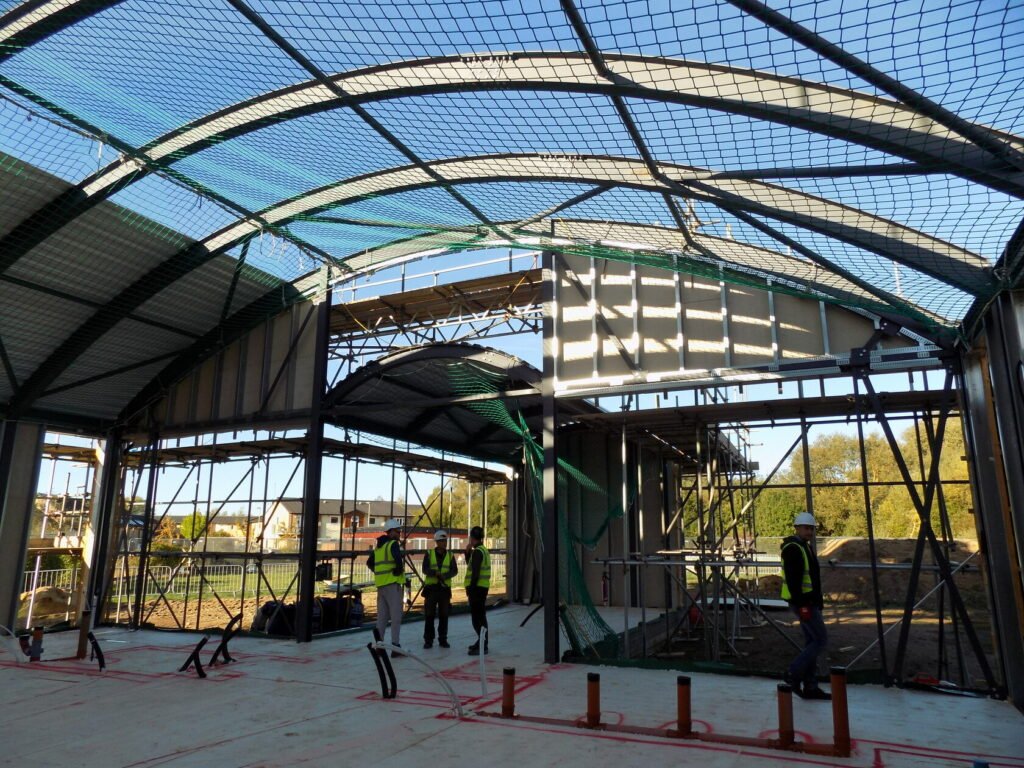
BWIC meaning construction directly affects both project timelines and budgets. Accurate planning and execution of BWIC work reduce clashes between trades and minimise rework, ensuring that mechanical, electrical, and plumbing contractors can carry out their installations without delays. By considering BWIC early in project scheduling, construction teams avoid costly overruns and improve workflow efficiency.
Furthermore, BWIC meaning construction improves site safety and compliance. Well-executed BWIC work ensures that fire-stopping, structural supports, and openings meet UK building regulations. Projects that neglect BWIC often encounter delays, rework, and safety issues, highlighting the importance of thorough planning. Understanding BWIC allows contractors to streamline installations while ensuring that buildings are completed to high-quality standards.
bwic meaning construction in different trades
BWIC meaning construction affects several trades, including mechanical, electrical, and plumbing services. Mechanical contractors rely on BWIC work to provide secure supports for equipment and pathways for ducting and piping. Electrical contractors require carefully placed openings for cable routing, while plumbing contractors depend on precise penetrations and fire-stopping measures to ensure safe and functional installations.
Collaboration between trades is essential for successful BWIC meaning construction. By sharing detailed BWIC drawings and coordinating schedules, subcontractors can avoid conflicts and ensure their work integrates seamlessly. This collaboration reduces delays, minimises errors, and allows projects to progress efficiently, providing a smoother construction process overall.
bwic meaning construction drawings and documentation
Accurate documentation is a cornerstone of BWIC meaning construction. Builders work drawings outline the location of openings, supports, and fire-stopping measures, guiding contractors during installations. Clear and detailed drawings ensure that all trades understand their responsibilities, reducing errors and ensuring compliance with design specifications.
Errors or omissions in BWIC documentation can have serious consequences, including delays, cost overruns, and structural issues. Maintaining updated drawings and clear communication channels allows teams to track progress, resolve conflicts, and meet project requirements. Proper BWIC documentation also provides a reference for inspections and regulatory compliance, supporting a smooth construction process.
costing and scheduling bwic meaning construction
Costing BWIC meaning construction is an important step in project budgeting. BWIC work is often calculated as a percentage of the total service contract, reflecting the specialised labour, materials, and coordination required. Accurate cost estimation ensures resources are allocated effectively and prevents unexpected financial issues.
Scheduling BWIC tasks early in the project timeline is equally vital. Delays in BWIC can cascade through the project, affecting MEP installations and overall completion dates. Proper planning, costing, and scheduling of BWIC meaning construction allow contractors to maintain workflow efficiency, reduce conflicts, and deliver projects on time and within budget.
conclusion on bwic meaning construction
BWIC meaning construction is a critical element of UK construction projects, encompassing all work required to integrate mechanical, electrical, and plumbing systems within a building. From penetrations and supports to fire-stopping and finishes, BWIC ensures installations are efficient, safe, and compliant with regulations.
Understanding BWIC meaning construction empowers contractors, engineers, and project managers to coordinate trades effectively, prevent delays, and minimise costly errors. By prioritising BWIC, construction teams can maintain high-quality standards, deliver projects on schedule, and ensure that buildings are ready for specialist installations. BWIC truly bridges the gap between structure and service.